

Ordered & Random Bin Picking
Overview
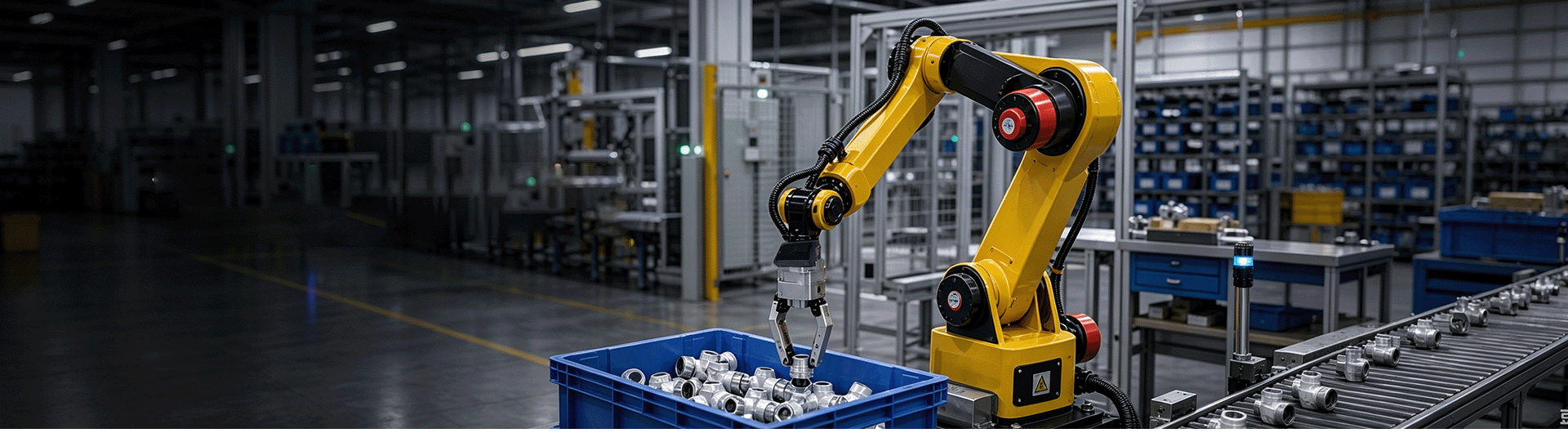
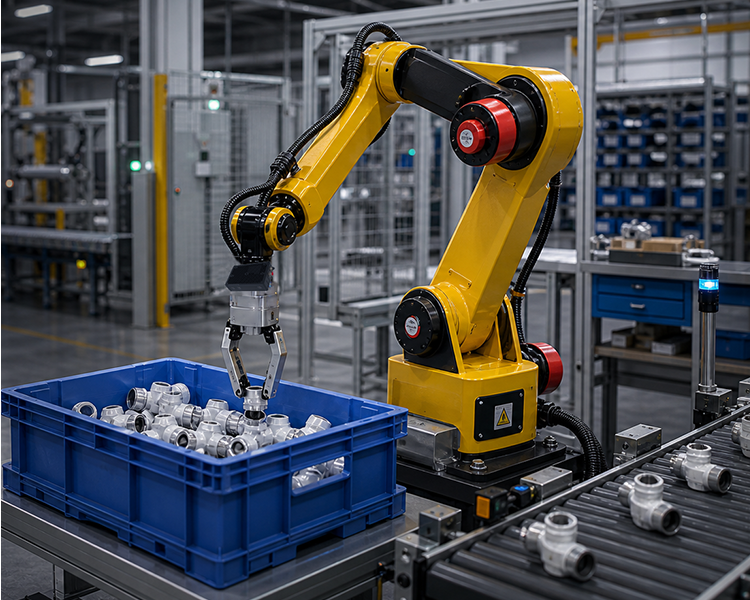
In automated picking applications, 3D cameras provide robots with reliable 3D perception . For ordered picking, the cameras can quickly identify neatly arranged objects, enabling high-precision, high-throughput target picking;
For unordered picking, the cameras use point cloud data to accurately determine the spatial configuration and orientation of stacked, scattered, or mixed objects, allowing the robot to determine the picking pose, avoid collisions, and plan the optimal picking path.
Key Challenges
-

 The surfaces are mostly metallic, reflective, or dark in color, and the materials are complex.
 -
 The orientation of objects that are tightly packed or randomly piled up is unpredictable, and occlusion is severe.
 -
 The combination of dust, oil residue, and fluctuating ambient light makes stable object recognition in industrial settings particularly challenging.
Key Advantages
-


High-quality, complete point cloud imaging supports high-precision 3D measurement and positioning.
-

Intelligently identify the orientation and position of workpieces to rationally assist robots in planning grasping paths.
-

Resistant to ambient light interference, compliant with IP rating protection standards
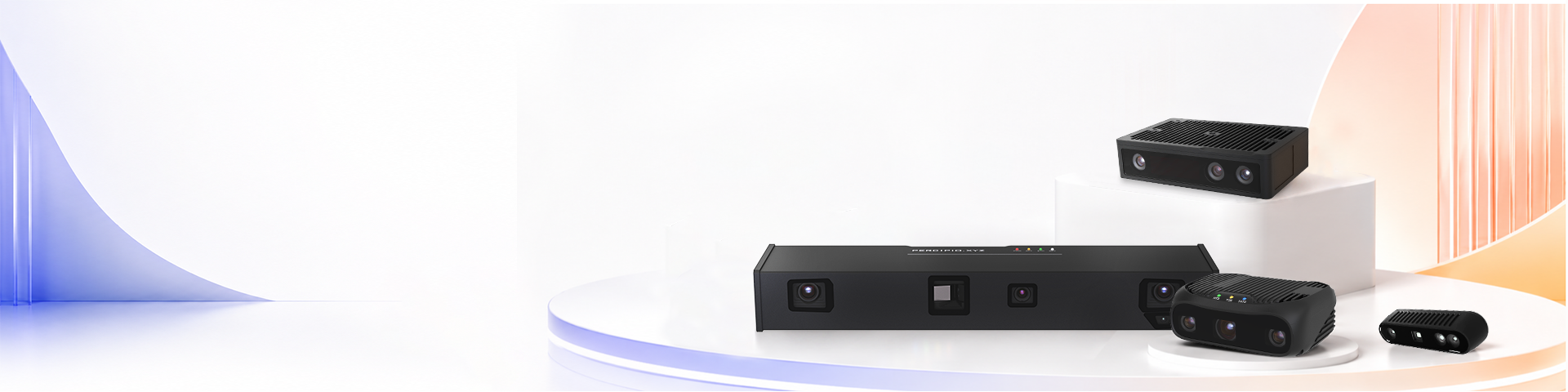
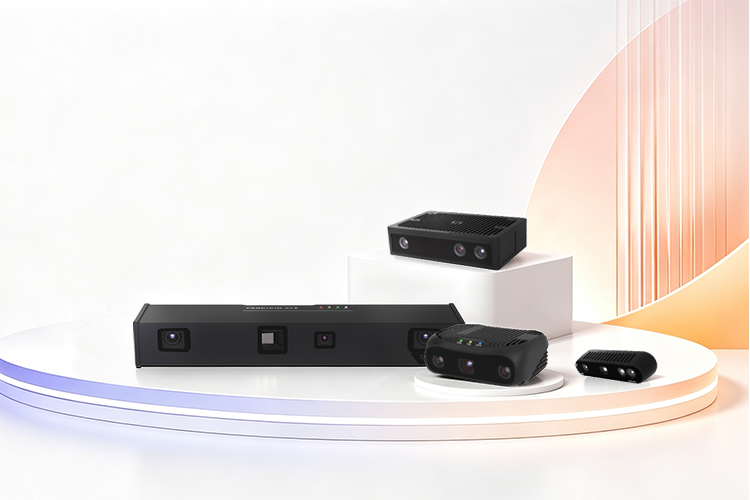
Recommended Cameras
-

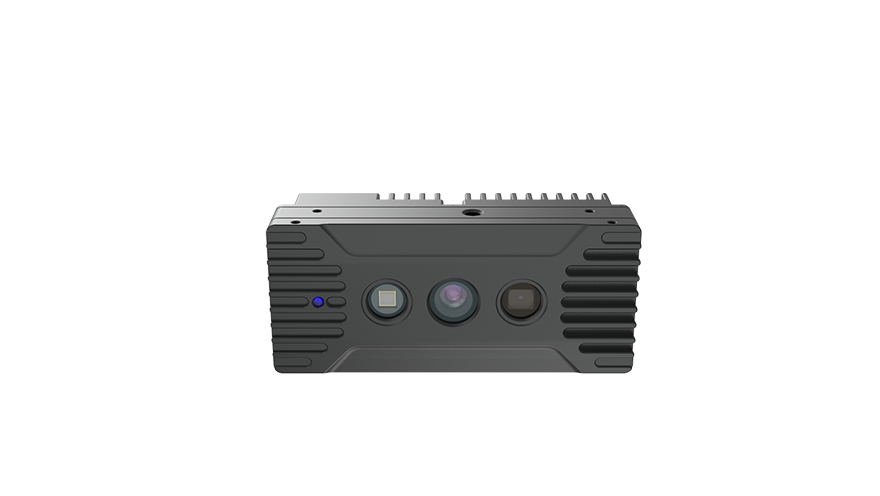
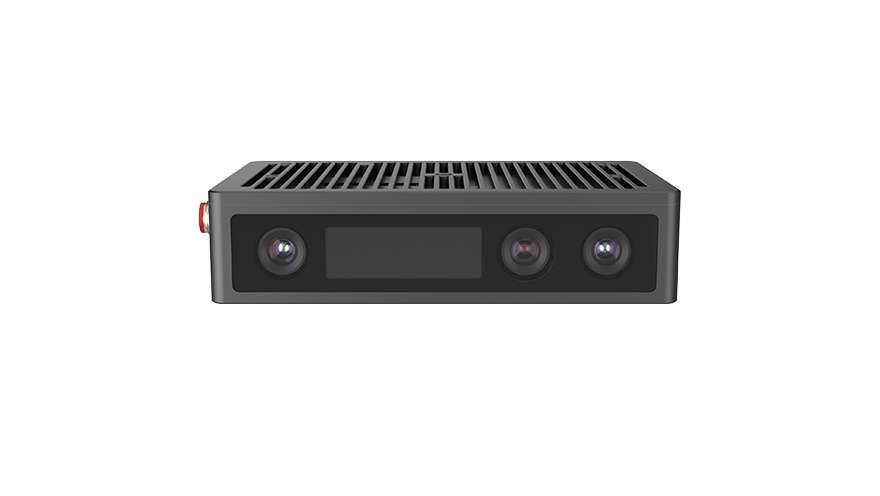
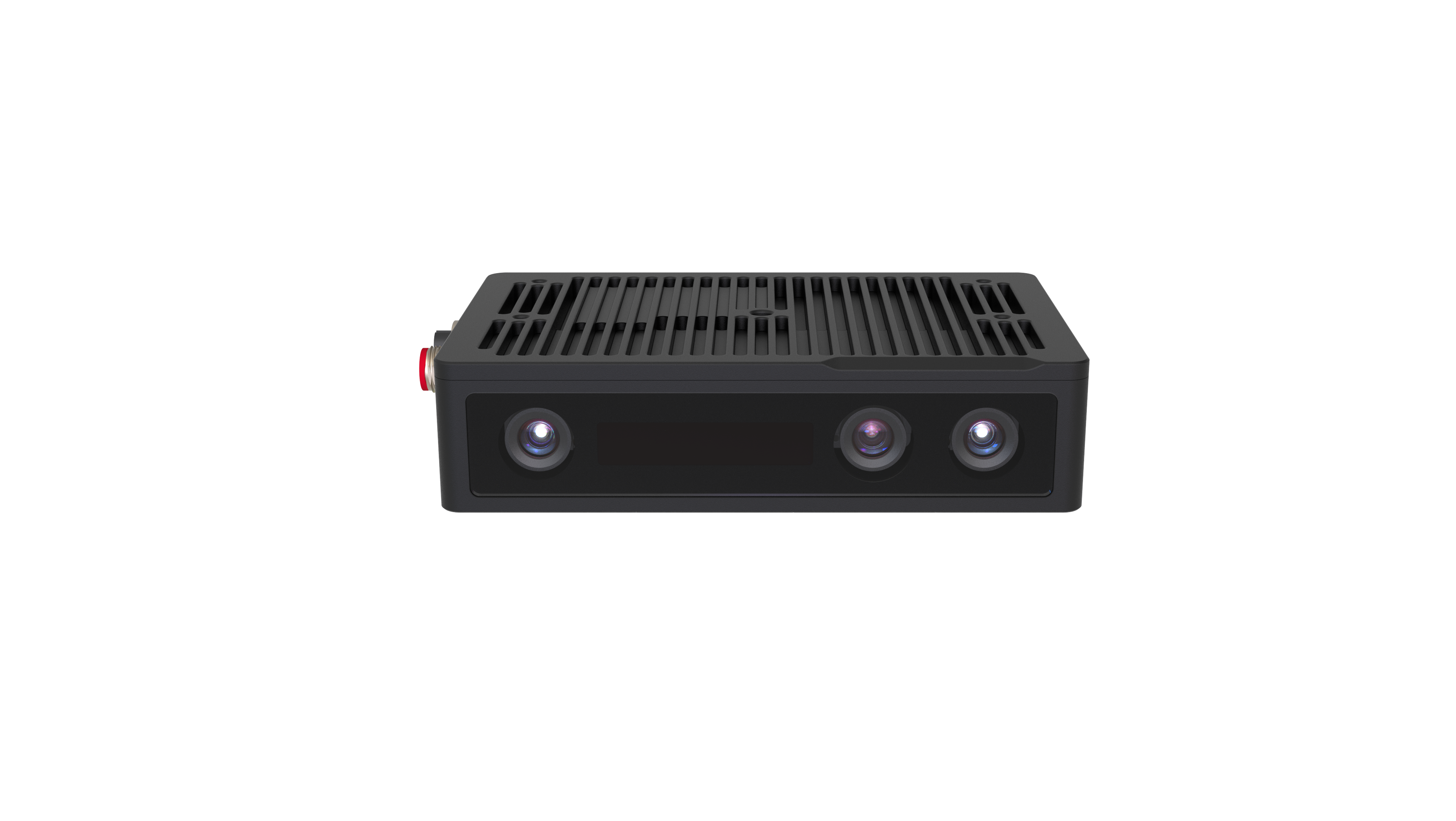 FM855-E1
Utilizing proprietary active stereo vision technology, it offers richer depth-of-field details and greater environmental adaptability, driving intelligent upgrades across multiple sectors including robotics, industry, and commerce.
Learn More -
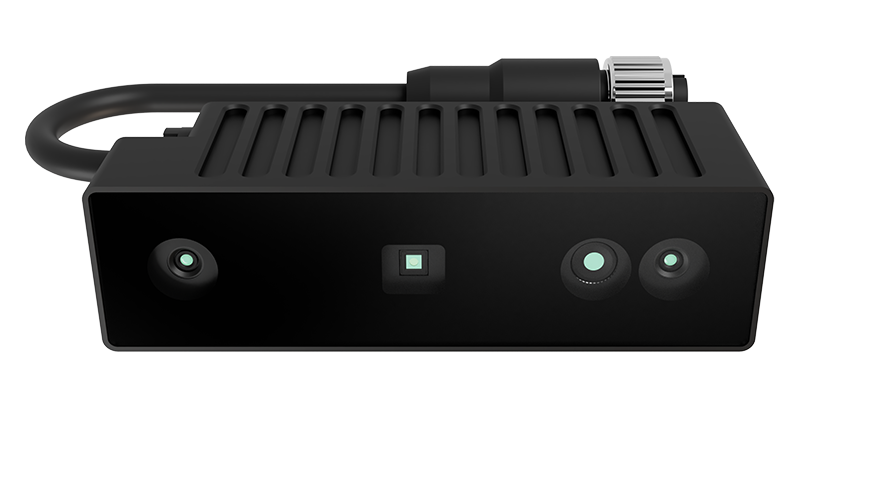
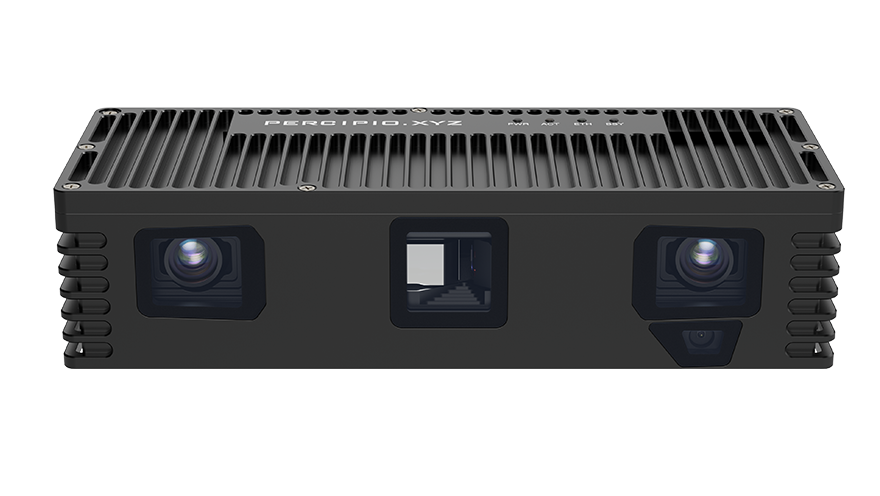
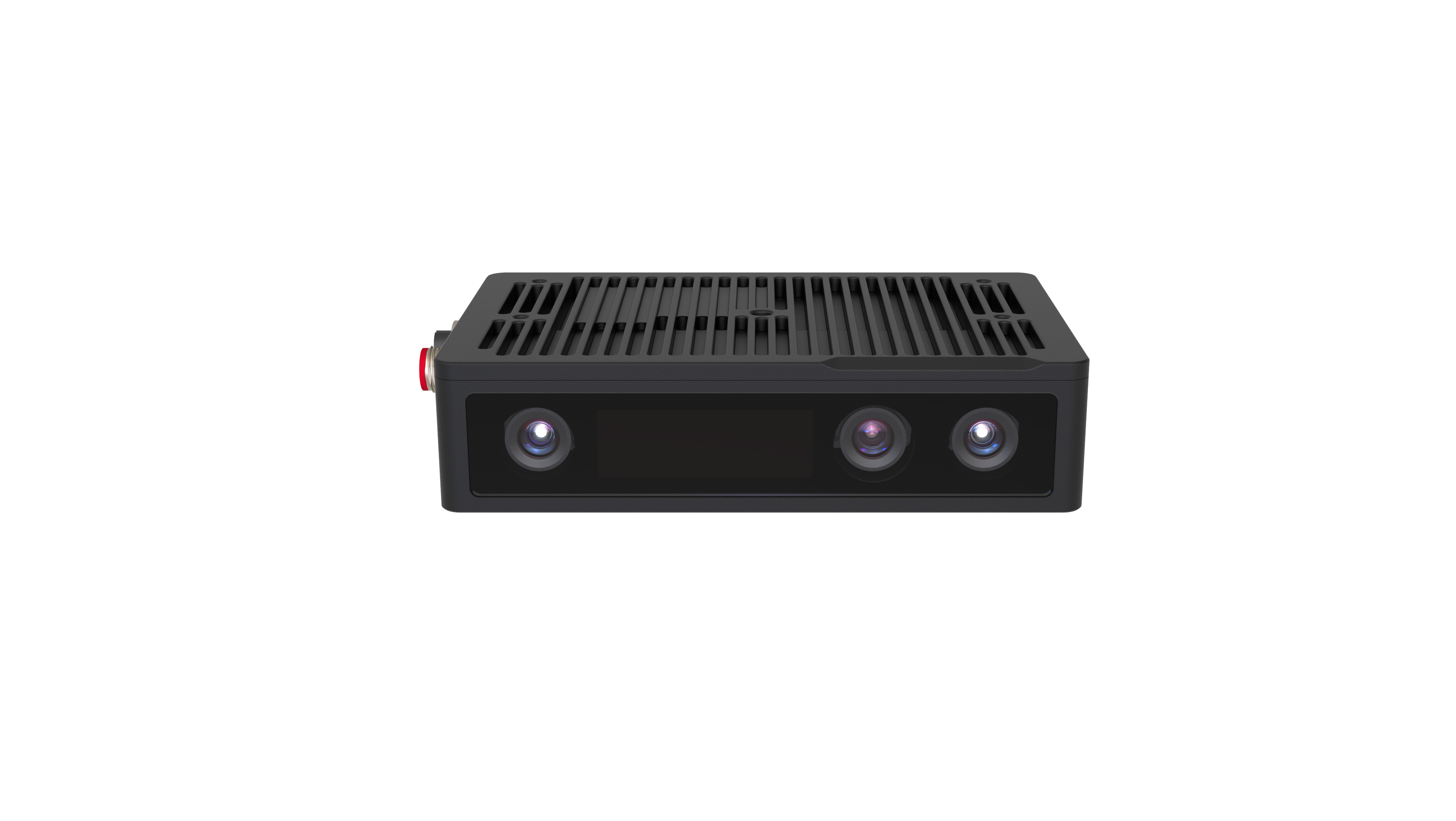 FM815-IX-E1
Equipped with proprietary active stereo vision technology, it offers superior depth-of-field detail and greater environmental adaptability compared to traditional stereo systems, enabling intelligent applications across multiple fields.
Learn More -
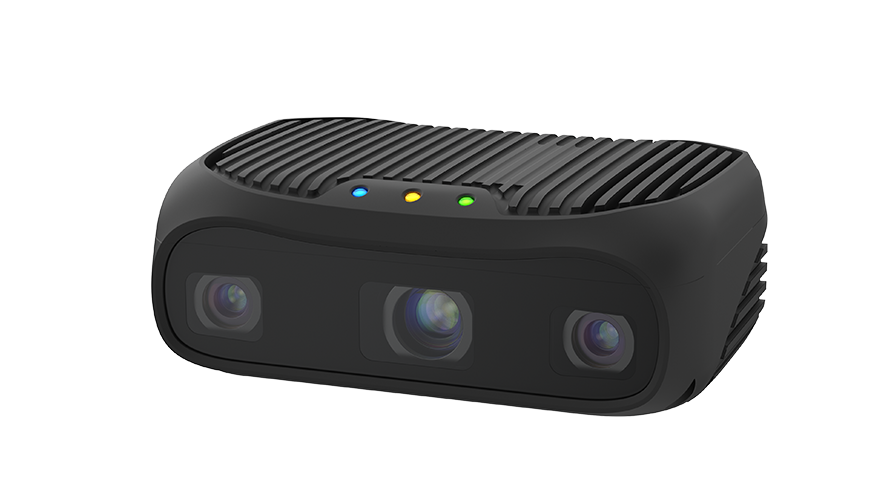
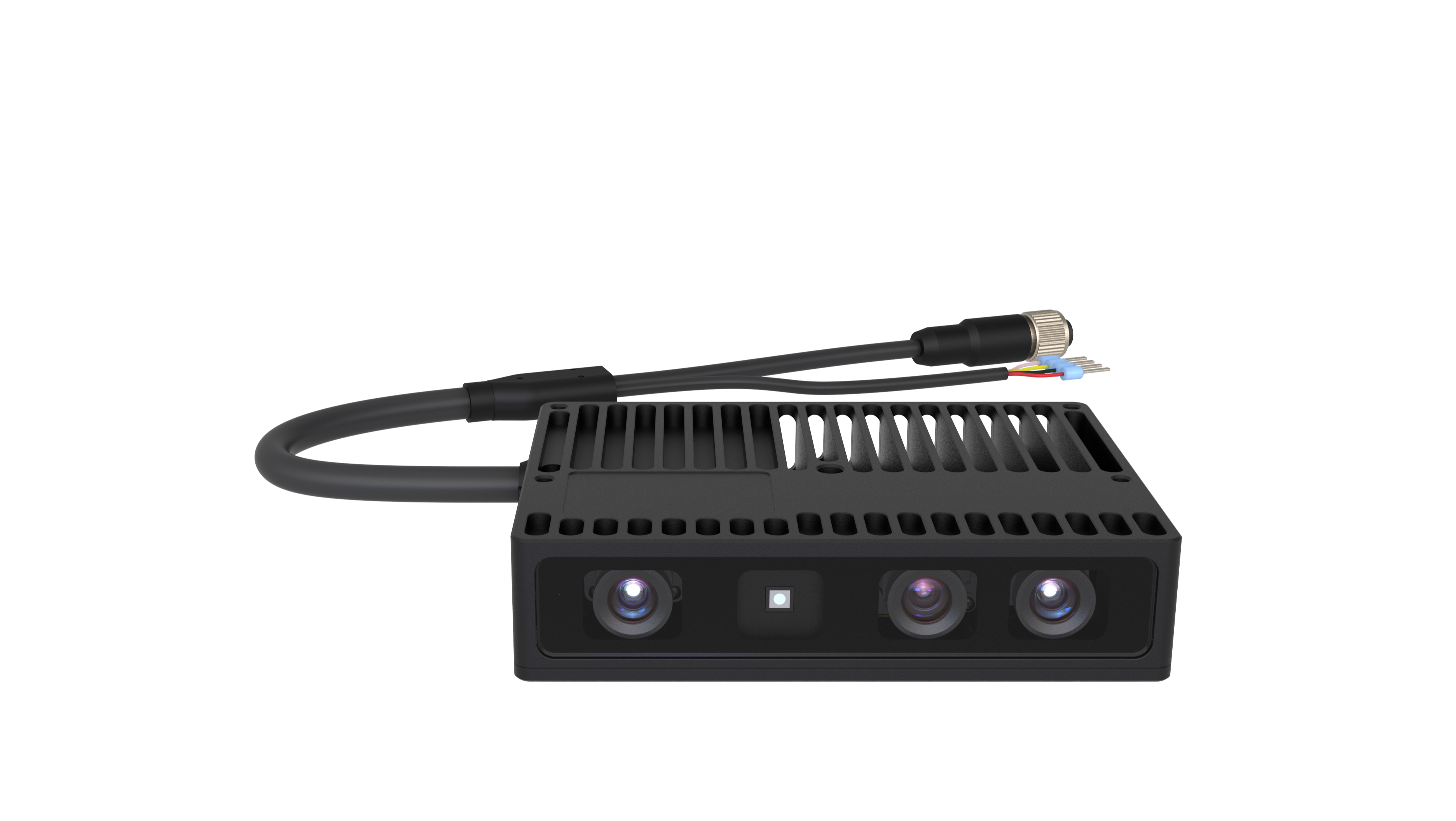 FM854-E1
Utilizing proprietary active stereo vision technology, it provides more comprehensive depth-of-field information and stronger environmental adaptability, helping to advance intelligent solutions across various fields such as robotics and industry.
Learn More